Clay Blood Cells and Platelets
- The Biology Buzz Place

- Jun 12
- 4 min read
Updated: Jul 25
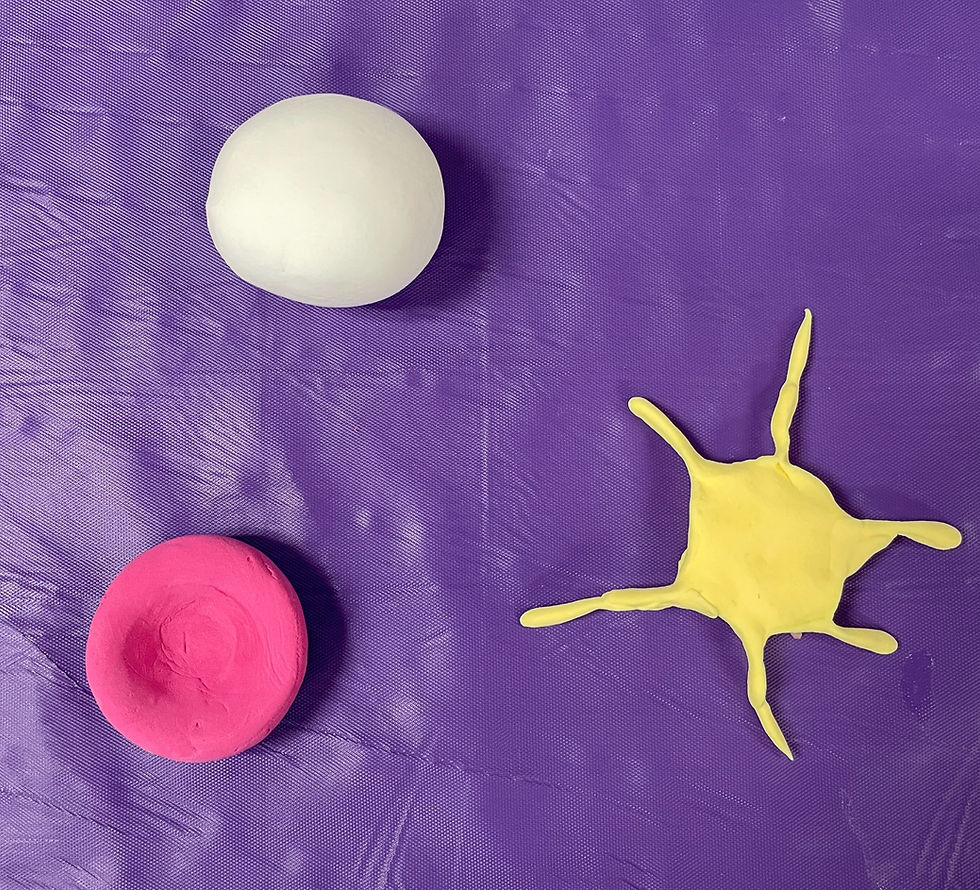
Here is a clay activity you can do with your students when studying the circulatory system-making clay red blood cells, white blood cells, and platelets. These are super simple to make and a wonderful way for students to visualize these three parts of the blood. You can make these yourself to use as a model to show students when teaching on this topic, or you can have students make these in class as they learn about the human blood's composition. Blood has a lot going on inside of it, but it has four main components that all students showed be familiar with. Here they are:
1. Red Blood Cells
These are the cells that carry oxygen and deliver it to all cells in the body. They are red because they contain an iron-rich pigment called hemoglobin. When the iron in hemoglobin binds with oxygen it produces a red color. The science term for a red blood cell is erythrocyte. About 40-45% of your total blood volume is made up of erythrocytes.
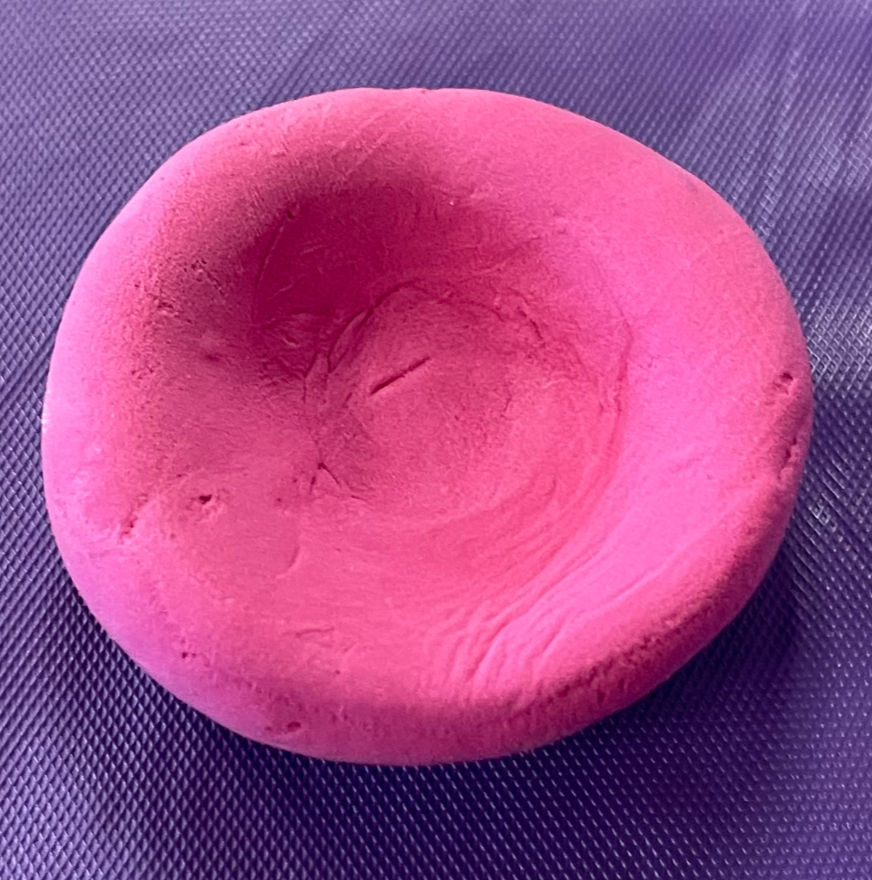
Red blood cells are not spherical but instead have a disc-like biconcave shape. They look like little, flattened donuts with a center that does not go all the way through. Their rim is thicker than their middle. They are soft and flexible and able to squeeze through tiny blood vessels.
2. White Blood Cells
White blood cells lack hemoglobin, so they are not red. They are colorless. The science term for a white blood cell is leukocyte. White blood cells make up about 1% of your blood. White blood cells are responsible for helping to keep you healthy by fighting off pathogens that enter the body. These blood cells are a main part of your immune system, the body system that protects you from diseases caused by pathogens. But white blood cells are also part of the circulatory system because they are part of the blood.
They circulate the body via the blood. and when pathogen, like a bacteria, are spotted in your blood or tissues, they multiply and work together to get rid of them. There are different types of white blood cells, each with different roles. To sum it up though, you can think of white blood cells as patrol officers, as they are constantly on the lookout for the “bad guys” that might have entered the body.
3. Platelets
Platelets are important clotting factors in blood. Platelets are not cells, but rather, they are cell fragments. The science term for a platelet is a thrombocyte. Like white blood cells, they lack color and they circulate in our blood via blood vessels. In an inactive form they are round like a plate. But when a blood vessel gets damaged it sends out a signal that alerts platelets and gets them into an activated form.
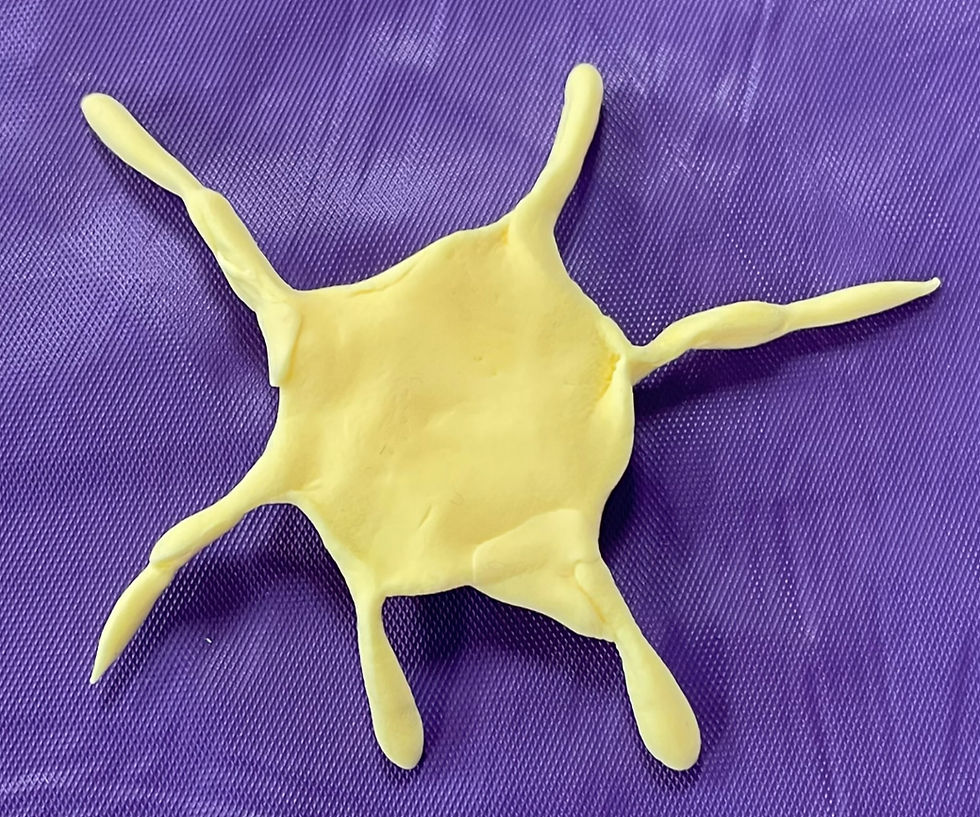
Activated platelets rush to the site of injury and change their shape, forming sticky, long, tentacle-like structures all around it. These tentacle-like structures help platelets attach to damaged blood vessels. Platelets come together at the injury site to form a plug to seal it off. Platelets also play a role in activating a strong, sticky protein called fibrin, which forms a web-like net at the injury which traps red blood cells. These factors together help to stop bleeding. Platelets make up less than 1% of total blood volume.
4. Plasma
Plasma is the fluid that transports the red blood cells, white blood cells, and platelets throughout the body. It is the fluid component of blood. It is kind of like the cytoplasm inside the cell that the organelles sit in. Plasma is the fluid portion of blood that the white blood cells, red blood cells and platelets are found in. It is made up of mainly water (about 90%). The remaining 10% is mostly dissolved substances such as proteins, electrolytes, nutrients, and wastes. About 55% of total blood volume is made up of plasma.
Average Percentages of Blood Components in a Healthy Person:
Plasma 55%
Red Blood Cells 40-45%
White Blood Cells 1%
Platelets Less than 1%
Suggestions for Which Colors to Use
Red blood cells- red or dark pink
White blood cells- white
Platelets- like white blood cells are colorless, so you can have students use any light color for these, or if you want to make them white like the white blood cells, this is fine too. I just like to use another color so not to use white clay twice, but you can make them white if you want.
How to Make the Red Blood Cells
These will be flattened with an indention in the middle of it. When molding the clay, first roll in between your palms to make a smooth ball. Then using your finger or thumb, press down gently in the center of it. Mold the rim so that it is thicker than the center as shown below.
How to Make the White Blood Cells
White blood cells are round, spherical in shape, so simply take your white clay and roll between your palms until it is a smooth ball- easy breezy! Make it larger than the red blood cell because in the blood they are slightly larger than red blood cells.

How to Make the Platelets
Platelets are irregularly shaped when they are in activated form (when rushing to the site of an injury). These models will represent this. Start off first by making a ball of clay like you did for the red and white blood cells. Take the ball of clay and make it into a ball by rolling between your palms. Next flatten it a little but shape it so that it is not round. Next pull parts of the clay platelet from the edges to make uneven length extensions, like in the picture below:
Click HERE for a FREE blood components graphic organizer handout that I have in my TPT store.


